Engineering, Testing, and Inspection From the Ground Up
Cole Garner Geotechnical (CG Geotech) offers a wide range of services applicable to residential and commercial land development, public infrastructure, industrial facilities, and the medical, education, and government sectors. Whether completing due diligence for a potential land purchase, moving into full civil and structural design, or preparing for construction, we specialize in helping our clients navigate the complexities of development and construction from the ground up in Colorado and beyond.
Geotechnical Engineering Services

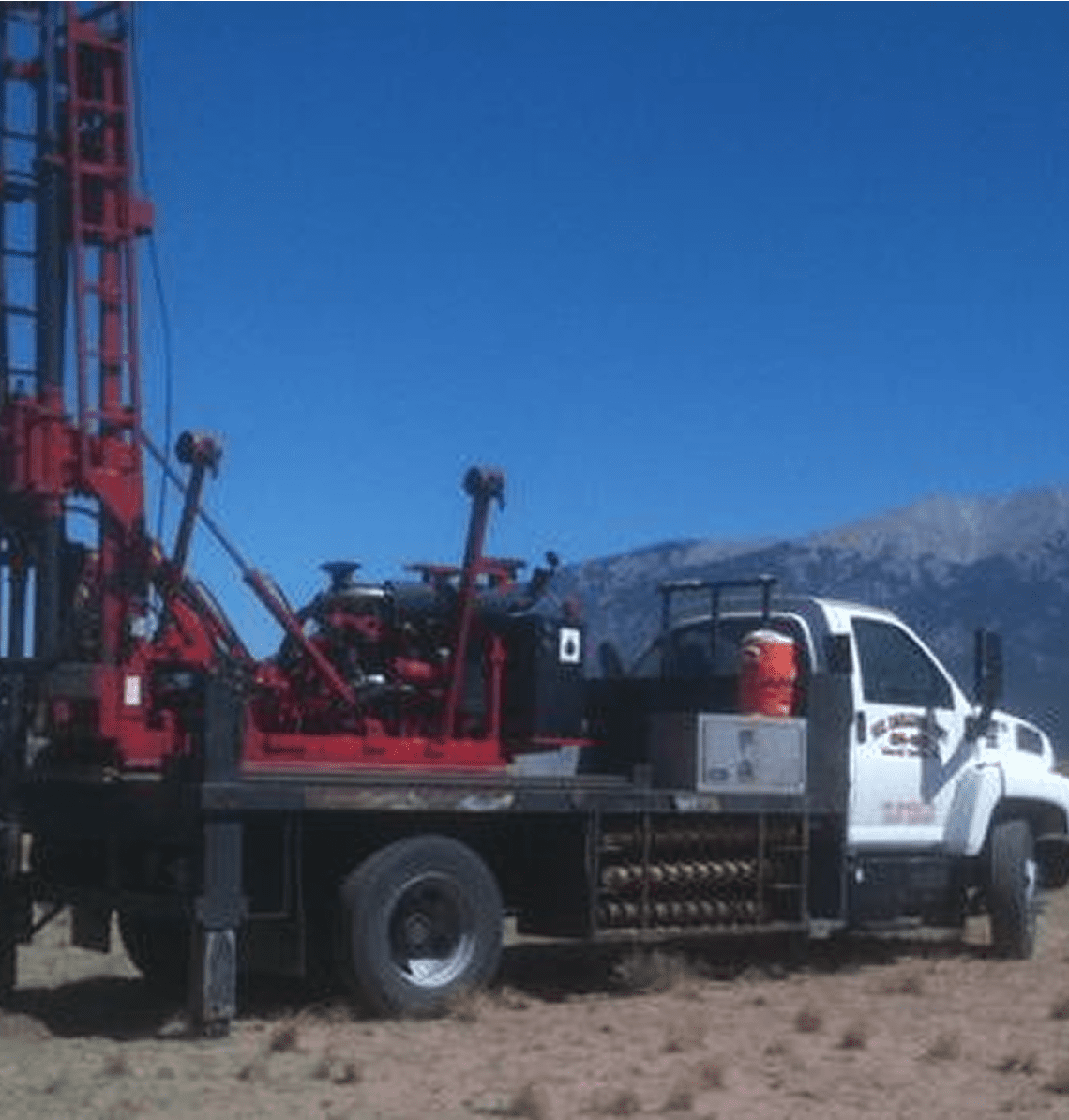
Subsurface Exploration and Field Testing
Auger drilling and sampling of soil and bedrock, bedrock coring, in-situ field penetration and strength testing, groundwater monitoring, electrical resistivity, and geophysical investigation.

Geotechnical Laboratory Testing of Soils, Aggregate, and Rock
Sieve analysis, Atterberg limits and other classification testing, swell and consolidation testing, compaction characteristics (Proctor testing, maximum density, and optimum moisture determination), compressive and shear strength testing, and corrosivity evaluation.

Geologic Site Reconnaissance and Identification/Mitigation of Geologic Hazards
Expansive soils and bedrock, collapsible soils, slope instability, subsidence, shallow groundwater, and man-made or undocumented landfills.

Foundation Analysis and Design Criteria Development
Deep foundations (drilled piers, helical piles, and driven piles), auger-cast piles, spread footings, slab-on-grade and mat foundations, post-tensioned slab-on-ground systems, lateral pressure analysis for basement and retaining walls, and seismic design criteria.

Soil Stabilization and Ground Improvement
Overexcavation and recompaction/replacement, stabilization of soft or unstable soils, aggregate/rock crowding, chemical stabilization using lime, cement, or fly ash, mechanical stabilization with geogrid/geotextiles, pressure or compaction grouting, rammed aggregate piers or stone columns, and deep dynamic compaction.

Groundwater Control
Groundwater monitoring wells, flow rate determination (slug testing and pump testing), subsurface drainage systems, interceptor drains and underdrains, cutoff walls, slurry walls, foundation drains, and waterproofing systems.

Earth Structures, Slopes, and Retention Systems
Slope stability analysis, mechanically reinforced earth slopes, mechanically stabilized earth retaining walls, excavation support systems, soldier piers, soil nails, rock anchors, helical tiebacks, piles and lagging, and sheet piles.

Pavement Design and Subgrade Evaluation
Subgrade evaluation and improvement, pavement thickness design for public and private improvements using AASHTO, State DOT, and local agency standards; flexible (hot-mix asphalt) and rigid (Portland cement concrete) pavements; evaluation of existing pavements; rehabilitation alternatives; and pavement material specifications and review.

Forensic Geotechnical and Materials Analysis
Geotechnical evaluation of existing structures, pavements, and site features; document review and consultation; and analysis of failure or distress related to geotechnical or material properties and construction methods.
Looking for more?
Soil and Aggregate
Field and Laboratory Testing:
Classification, gradation (sieve analysis), and compaction characteristics.
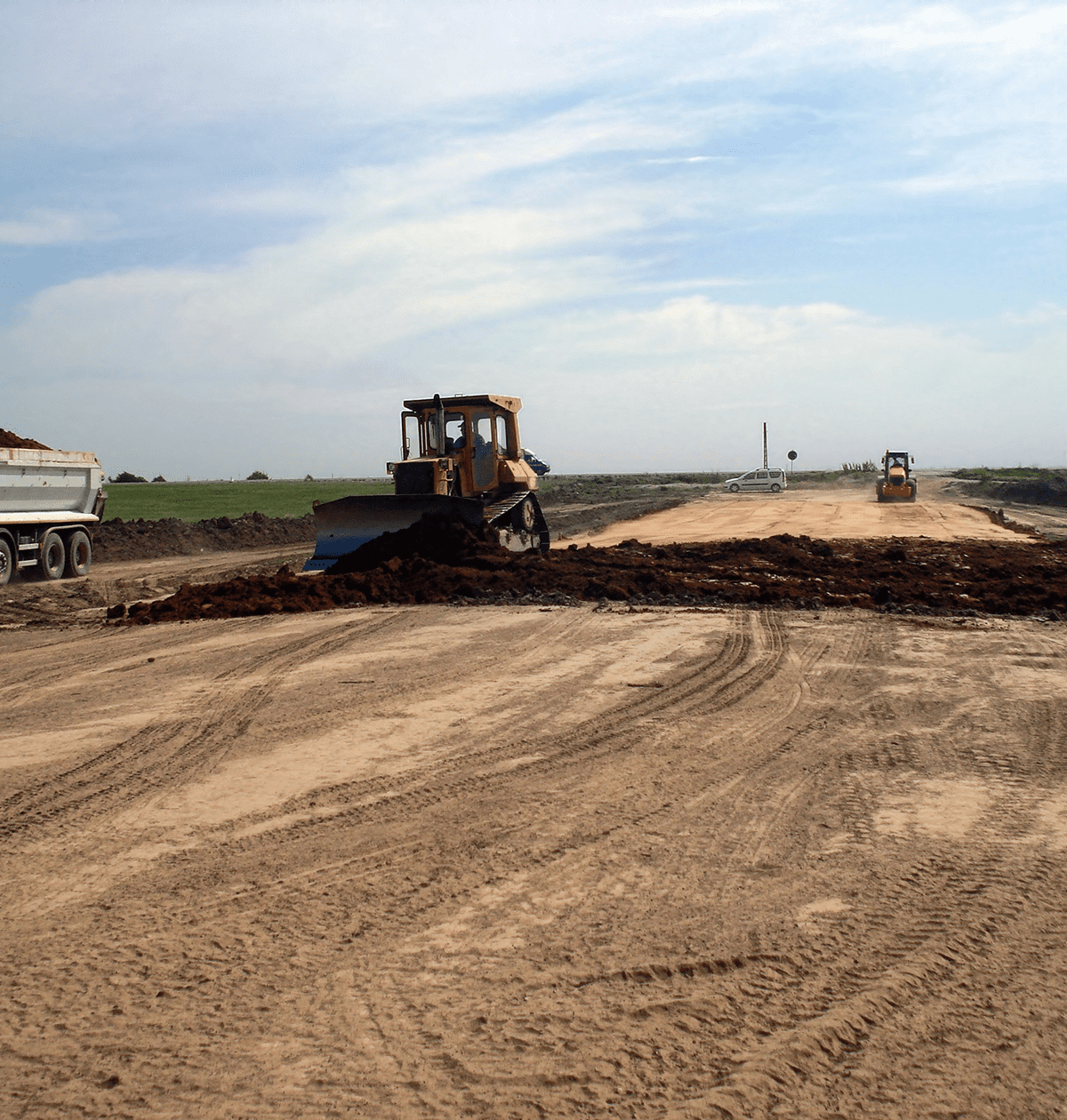
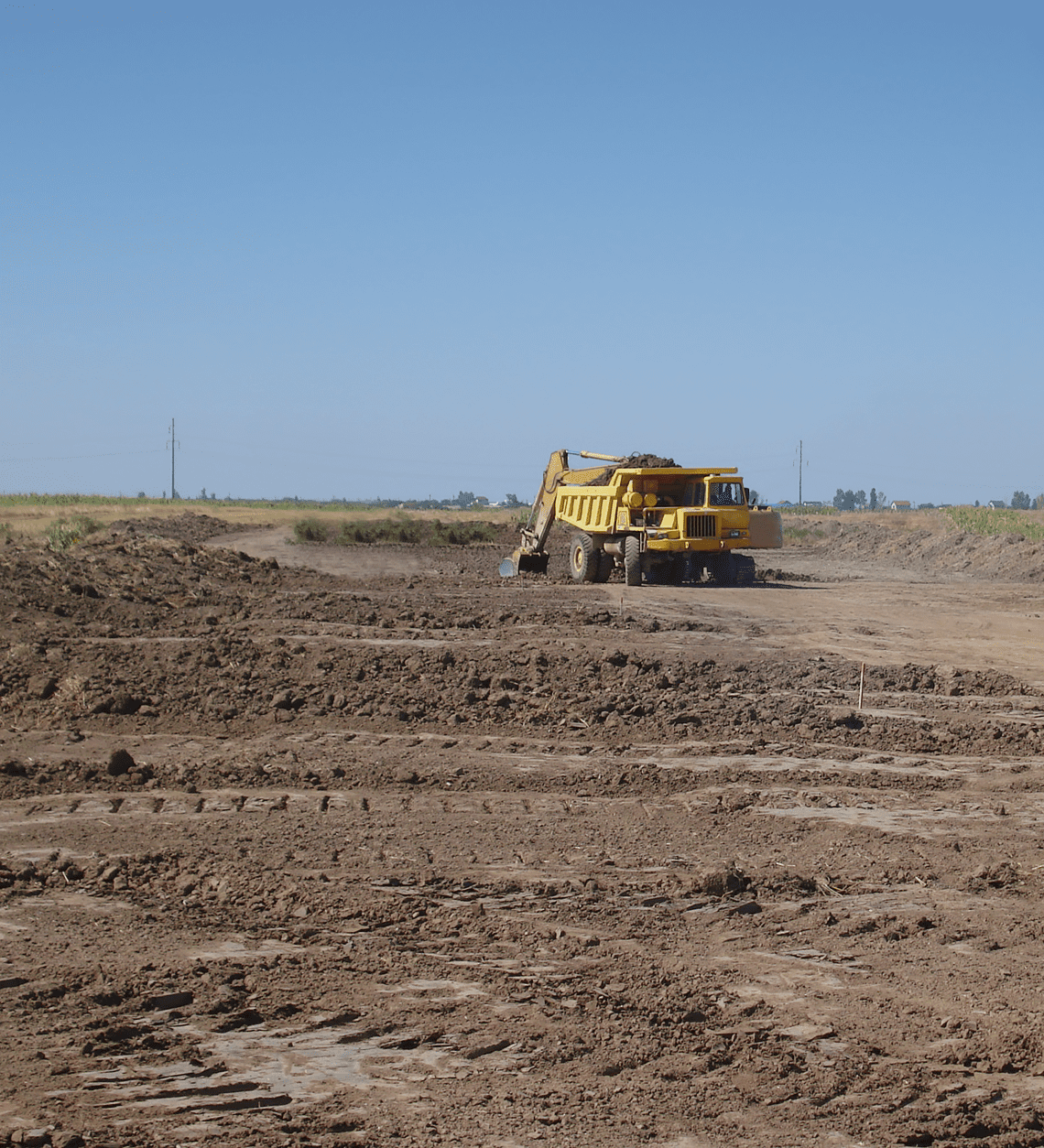
Overlot Grading Observation and Compaction Testing:
Ensures proper procedures are used for earthen cut-and-fill operations, including processing, blending, lift thickness, moisture conditioning, and compaction.
Earthwork and Roadway Construction Testing:
Utility trench backfill testing, flatwork and roadway subgrade preparation, compaction verification, and soil stabilization testing.
Special Inspections (ICC Chapter 17):
Soils and deep and shallow foundations.
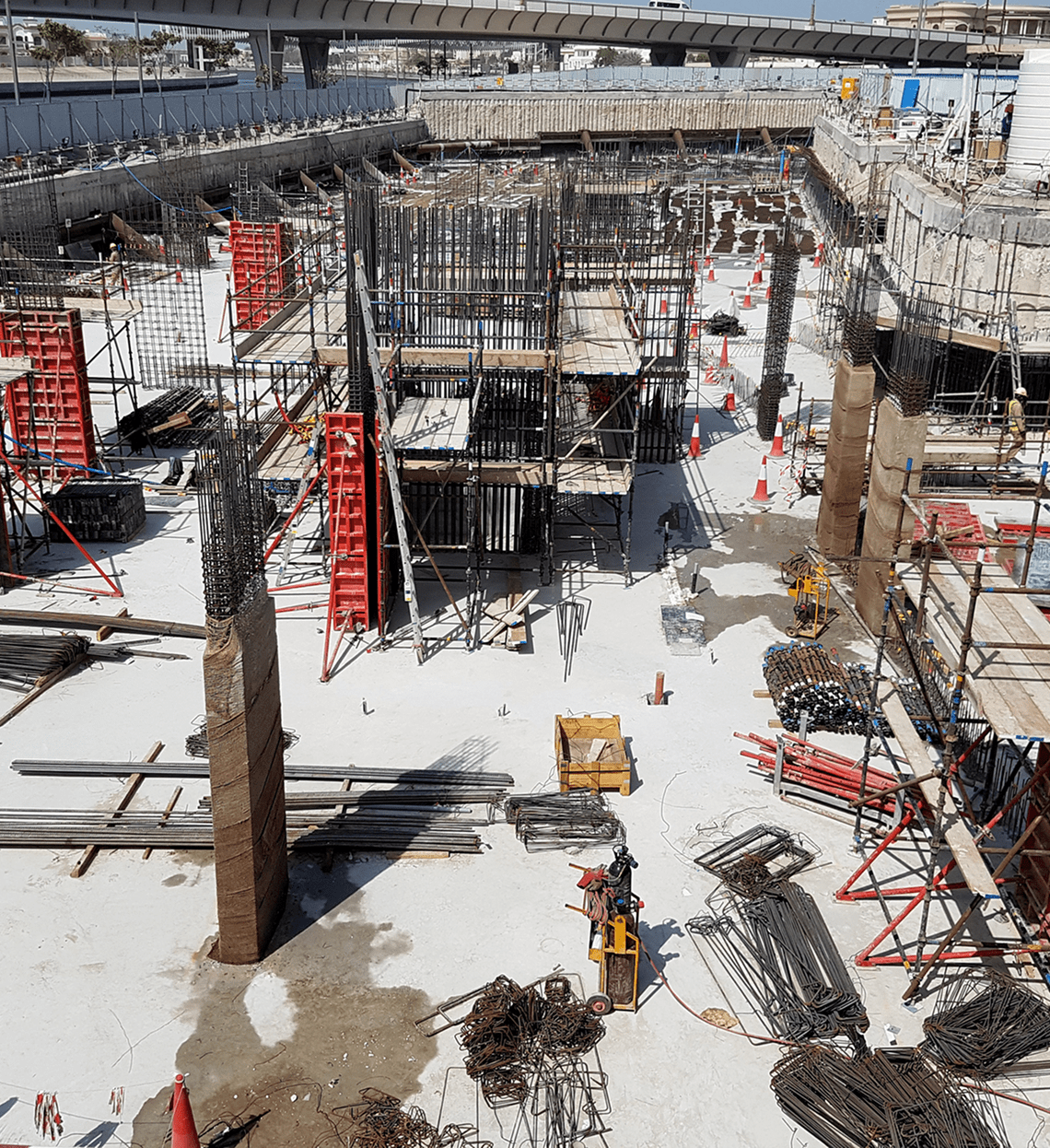
Concrete and Masonry (Structures, Pavements, Flatwork)
Mix design trial batches and review
Special inspections (ICC Chapter 17)
Reinforcing steel and post-tensioned cable inspection
Field testing of fresh concrete (slump, air content, unit weight)
Laboratory testing (compressive strength of cylinders, grout and mortar specimens, CMU prisms, shotcrete, and cores)
Proof load testing and full-scale load testing
Structural steel inspection, including non-destructive weld testing and bolt torque verification
Floor flatness and levelness surveys
Fireproofing inspections (spray-applied and intumescent)
Asphalt Pavements
Mix design development and review
Temperature monitoring (ambient and delivered material)
Review of placement and rolling patterns
Compaction testing
Field sampling for laboratory analysis (gradation, asphalt content, maximum density, and mix properties)
Coring for thickness and density verification
Additional Construction Testing and Inspection Services
Civil and erosion control inspections
Framing and drywall inspections
Anchor bolts and hold-down inspections
Foundation drains, dampproofing, and waterproofing inspections
A Legacy of Trusted Geotechnical Expertise
Our firm participates in Reference Sample Programs administered by the Cement and Concrete Reference Laboratory (CCRL) and the American Association of State Highway and Transportation Officials (AASHTO) to ensure accurate and repeatable testing.
Looking for more?